Blog
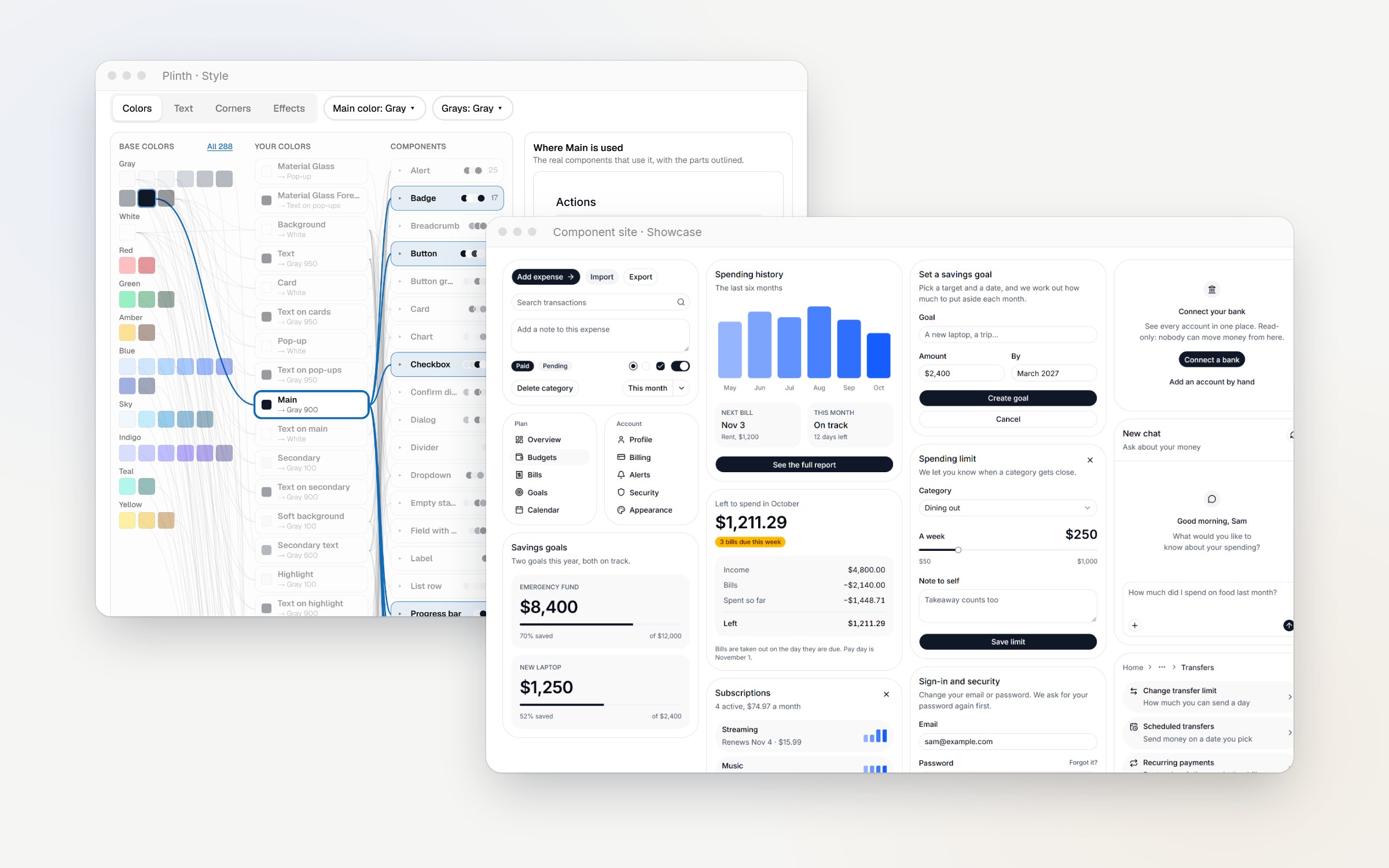
Plinth, Moving a Design System's Source of Truth into Code:Design Systems Built for AI Collaboration (Part 3)
Plinth is an open-source tool I'm building on Claude Code. From a one-line description of a product, or from a website whose look I like, it builds a design system in code: layered tokens, ready-made components, guidelines AI tools can read, and checks that run on every change.
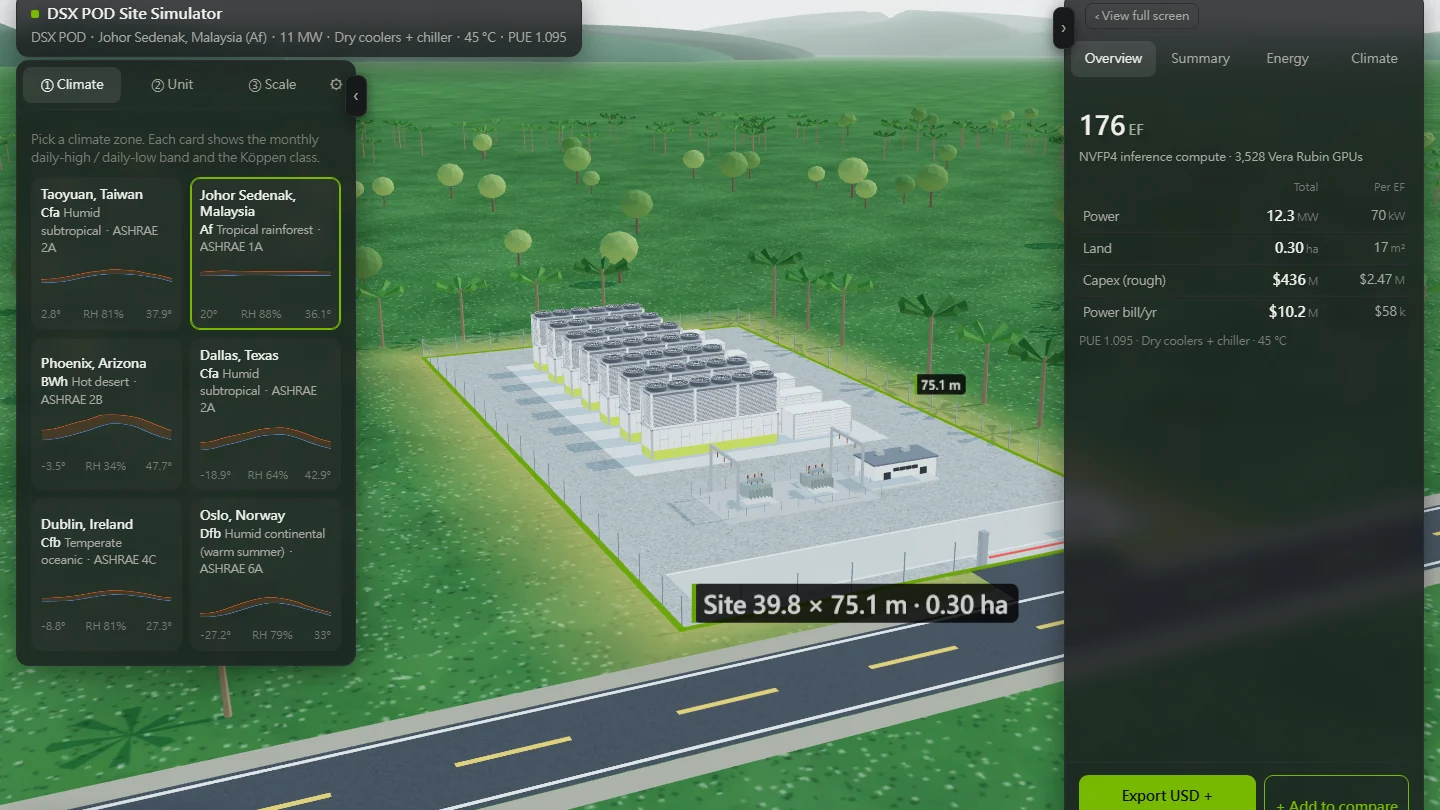
Making AI Data Centers Visible:A 3D Site Exploration of Modular Facilities
An unofficial modular AI data center site simulator, built mostly on public data with a three.js front end. Based on NVIDIA DSX POD and GIGABYTE GADU, it compares estimated space, energy and cost across climates and scales in the browser, and exports OpenUSD that opens in NVIDIA Omniverse.

CurioTails:Making a Picture Book with ComfyUI and Qwen3-TTS
CurioTails is an AI-made audiobook picture book about a cast of colored-pencil woodland animals, and it is still in progress. This post covers the four hardest problems so far: keeping characters consistent, keeping the style from drifting, keeping scenes spatially sane, and making the voices sound natural.
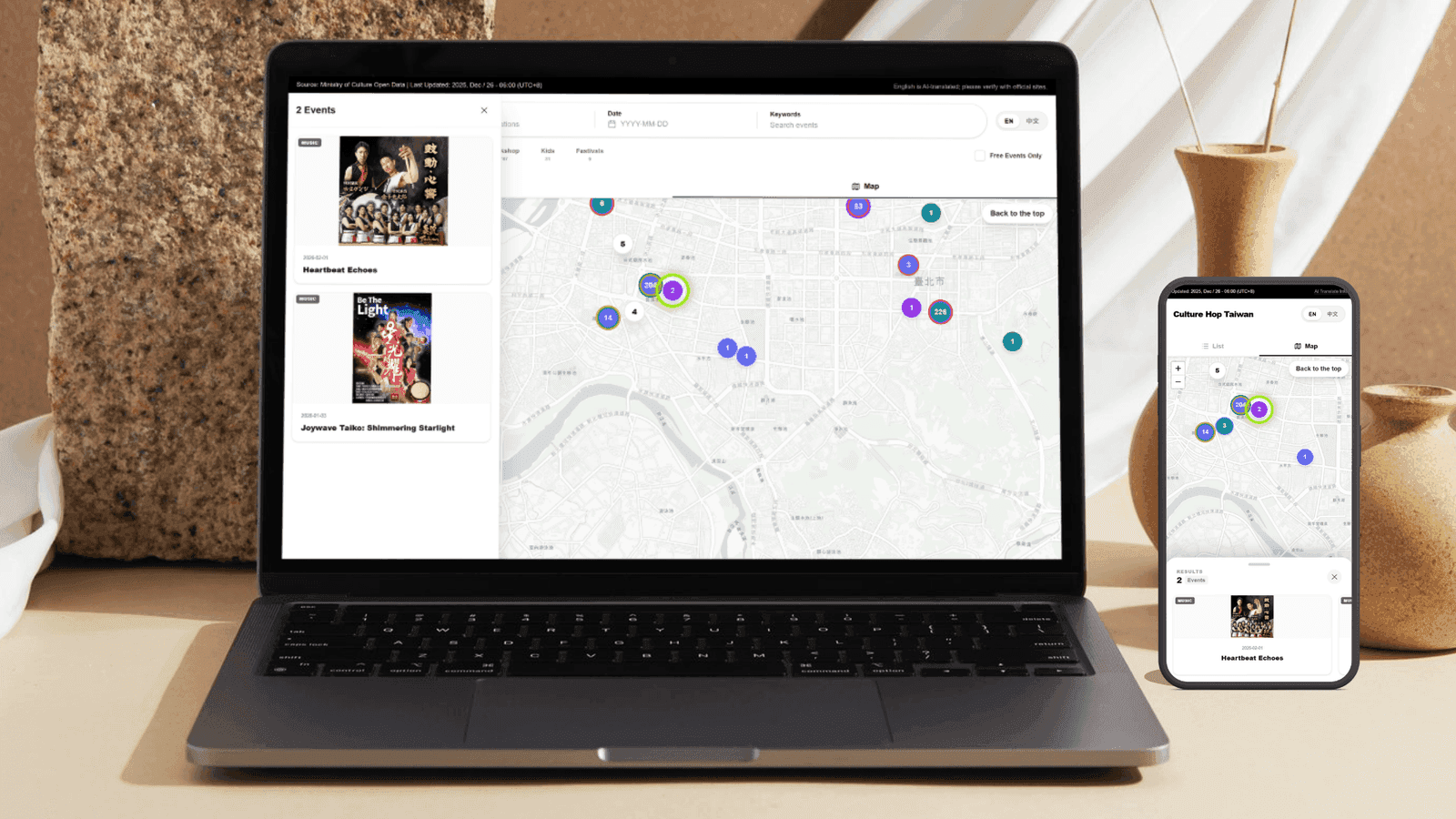
Culture Hop Taiwan:Building Infrastructure for Cultural Discovery
I reorganized fragmented government open data into a bilingual, map-first platform for exploring cultural events. The work centered on three problems: scattered data sources, inconsistent languages, and a heavy mobile experience.

A Lightweight, Modular n8n Pipeline for Automated Virtual Host Videos
An experiment in script-driven video production: a modular n8n pipeline that turns a plain-text script into a lip-synced virtual host video in about three minutes on consumer-grade hardware.
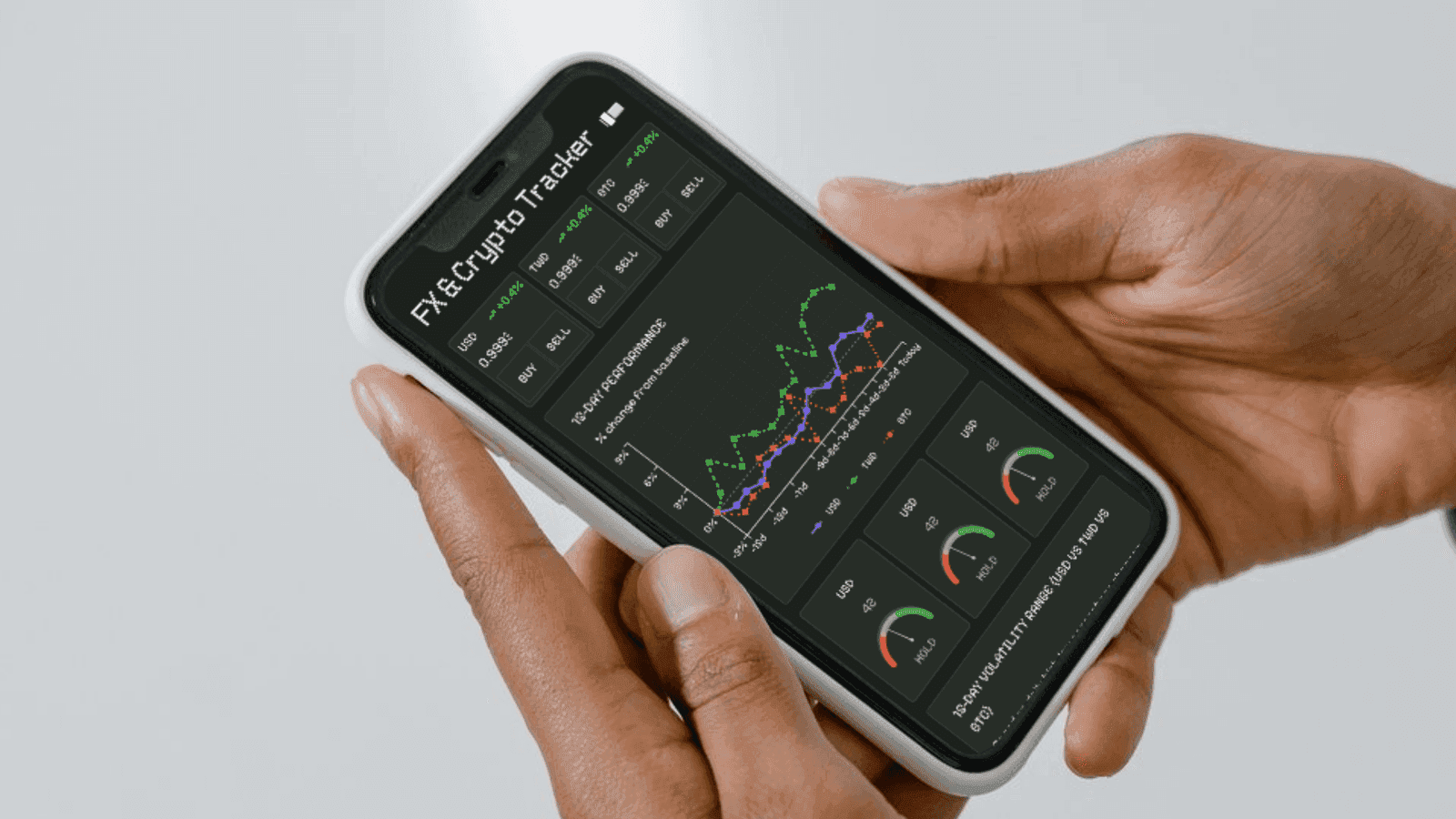
Design Systems Built for AI Collaboration (Part 2):A Design-and-Deployment Experiment from Figma Make to Vercel
Part two tests one thing: whether Figma Make can hand off cleanly to GitHub and run all the way to deployment, while keeping a single source of truth and reusable components.
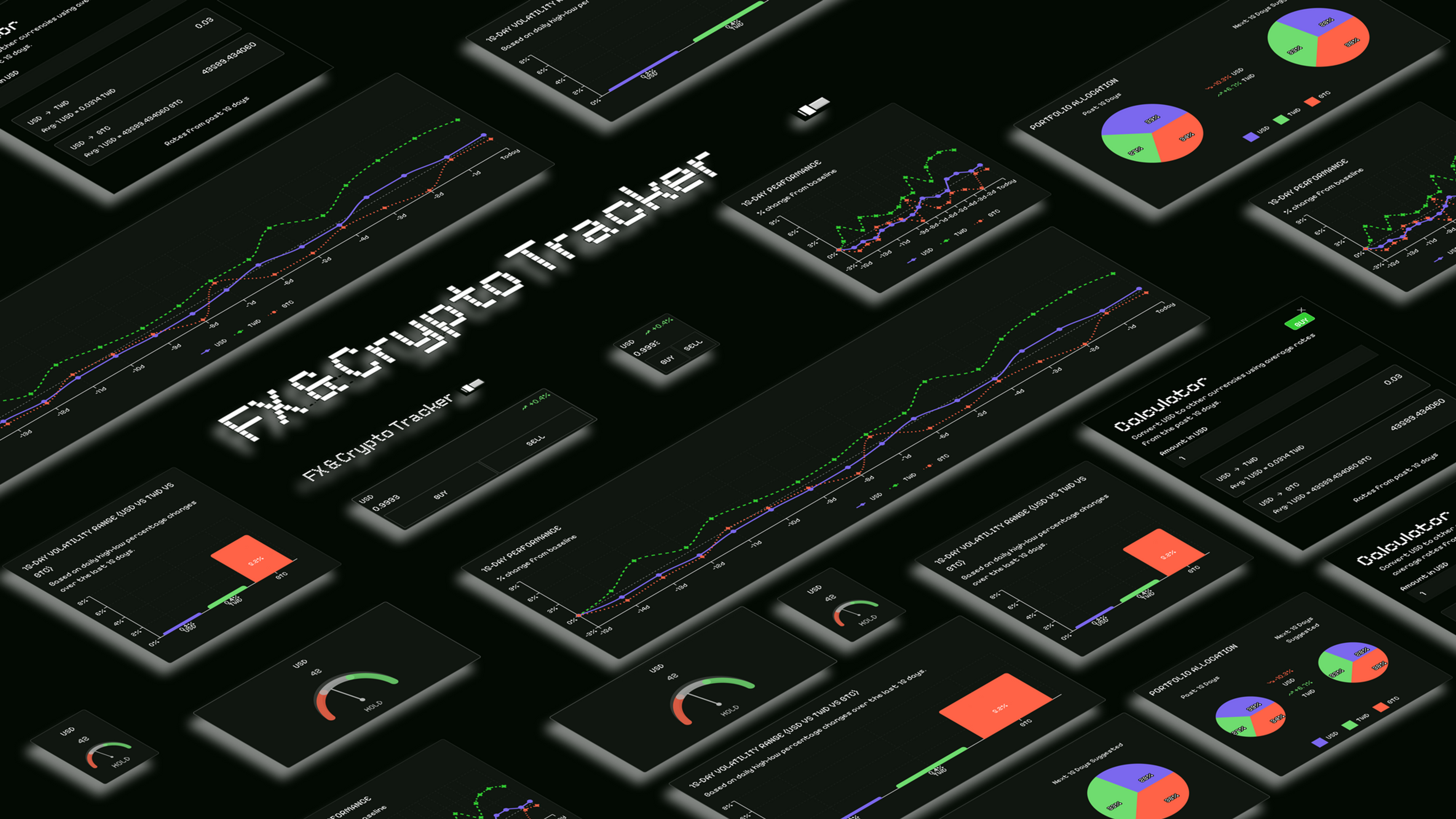
Design Systems Built for AI Collaboration (Part 1):From Style Guides to Structured Components
An experiment in using automation and AI tools to smooth out the build process: generating a Figma design system and component library with less effort, and structuring it finely enough that AI can read and reuse the design information afterwards.